Creativity is often treated like a special talent that some people have and others do not. In reality, creativity is a skill that can grow through regular practice. You do not need expensive supplies, long stretches of free time, or a perfect idea to begin. Small, consistent activities can help you notice more, think in new ways, and express yourself with greater confidence.
Creativity can appear in many forms. You might write a few lines in a notebook, rearrange a room, try a new recipe, take a different route, or find a fresh solution to an everyday problem. The goal is not to produce something perfect. The goal is to make space for curiosity and experimentation.
Start with a Small Daily Practice
A creative habit is easier to maintain when it feels simple and manageable. Instead of setting aside several hours, begin with five or ten minutes.
Choose one activity and connect it to an existing part of your routine. For example, you could:
– Write three sentences after breakfast
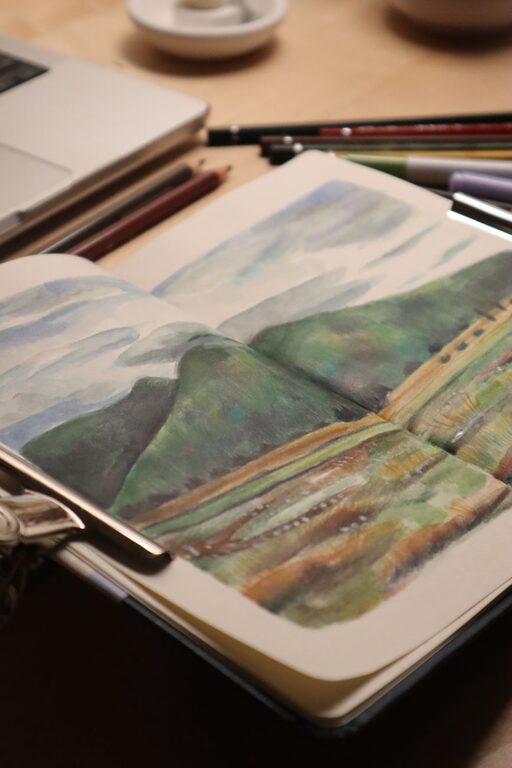
– Sketch while having your morning coffee
– Take one interesting photo during a walk
– List new ideas before going to bed
– Spend ten minutes learning a creative skill
A short practice removes some of the pressure to create something impressive. Over time, these small sessions can become a natural part of your day.
Keep an Ideas Notebook
Ideas can appear at unexpected times, but they are easy to forget. Keeping a notebook nearby gives you a place to collect them. You can use a paper notebook, a notes app, or any method that feels convenient.
Your notebook might include:
– Questions you would like to explore
– Interesting words or phrases
– Memories and observations
– Possible project ideas
– Sketches and diagrams
– Titles, themes, or opening lines
– Problems that need a new solution
Do not worry about organizing everything immediately. The purpose of an ideas notebook is to capture thoughts before judging them. You can review and develop them later.
Try Creative Prompts
Creative prompts provide a starting point when you are not sure what to make. A prompt can be a question, an image, a sound, or a simple instruction.
Try prompts such as:
– Describe an ordinary object as if you have never seen it before.
– Draw a room using only shapes.
– Write about a place you remember using five senses.
– Invent three uses for a common household item.
– Create a short story that begins with a surprising discovery.
– Combine two unrelated ideas and describe the result.
Set a timer for five or ten minutes and keep moving. The first response does not need to be your best one. Prompts are useful because they encourage action before self-criticism takes over.
Change Your Surroundings
A change of setting can help you notice new details and break repetitive thought patterns. You do not need to travel far. Move to another room, work near a window, visit a library, or spend time outdoors.
You can also change your surroundings in small ways:
– Rearrange your desk
– Use different lighting
– Play quiet background sounds
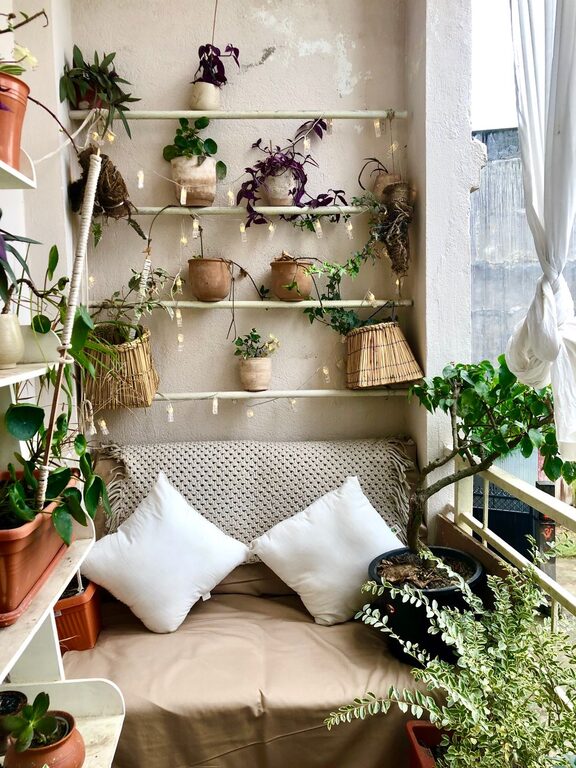
– Add a plant or favorite object
– Work with a new color palette
– Visit a neighborhood you do not know well
New surroundings can provide fresh sights, sounds, textures, and ideas. Even a short walk can help you return to a project with a different point of view.
Practice Observing
Creativity often begins with paying attention. When you slow down and observe, you collect details that can later become ideas.
Choose one ordinary moment and examine it closely. Notice the colors, shapes, sounds, movement, and patterns around you. You could observe a busy street, a kitchen counter, a tree, or the way sunlight enters a room.
Try writing down five details that you would normally overlook. This exercise strengthens your ability to find interest in everyday experiences. It can also make creative work feel more connected to real life.
Make Something Without a Goal
Not every creative activity needs to produce a finished result. Making something with no plan can help you explore without worrying about success.
You might:
– Doodle freely
– Mix colors
– Build with blocks
– Hum a simple melody
– Arrange objects into a pattern
– Write a page of random thoughts
– Experiment with a new recipe
When there is no required outcome, you can focus on the process. This kind of play often leads to unexpected ideas and helps reduce the fear of making mistakes.
Set Helpful Limits
Limits may seem restrictive, but they can make creativity easier. Too many choices can lead to delay. A few clear boundaries give you a place to begin.
For example, you could decide to:
– Write a story in 100 words
– Use only two colors in a drawing
– Take photos of only round objects
– Create a meal from five ingredients
– Work for exactly 15 minutes
– Use materials already available at home
A time limit or simple rule encourages you to make decisions. It also makes creative practice easier to fit into a busy day.
Learn from Other People
Exploring the work of others can introduce you to new methods and perspectives. Read a short story, visit a local exhibit, listen to a new style of music, or watch a demonstration of a skill you would like to understand.
As you explore, ask yourself:
– What catches my attention?
– How was this idea developed?
– What choices did the creator make?
– What would I try differently?
– What can I learn from the process?
The goal is not to copy someone else. It is to become more aware of the many ways people solve problems and express ideas.
Give Yourself Permission to Make Mistakes
Self-criticism can stop creativity before it has a chance to develop. If you expect every attempt to be excellent, you may avoid trying unfamiliar things.
Treat early efforts as practice. A rough sketch, unfinished paragraph, or failed recipe can still teach you something. Instead of asking whether the result is perfect, ask:
– What did I discover?
– What part was enjoyable?
– What would I change next time?
– Is there one idea worth developing?
Mistakes provide information. They show you what to adjust and often lead to better results in future attempts.
Build a Creative Routine That Fits You
There is no single correct way to practice creativity. Some people enjoy structured projects, while others prefer spontaneous activities. Your routine should match your interests, energy, and schedule.
Start by choosing one small practice. Continue it for a week, then notice how it feels. If it is too difficult, make it shorter or simpler. If it becomes repetitive, add a new prompt or change the setting.
The most important part is consistency, not intensity. A few minutes of regular creative activity can help you become more observant, flexible, and willing to explore. With time, creativity becomes less like a task and more like a natural way of approaching everyday life.
About the Author