Food waste is a common household problem, but small changes can make a meaningful difference. Food may be wasted because too much was purchased, ingredients were forgotten, leftovers were not used, or food was stored incorrectly.
Reducing waste does not require a perfect system. A few simple habits can help you buy only what you need, keep food fresh for longer, and make better use of ingredients already in your kitchen.
Start With a Simple Meal Plan
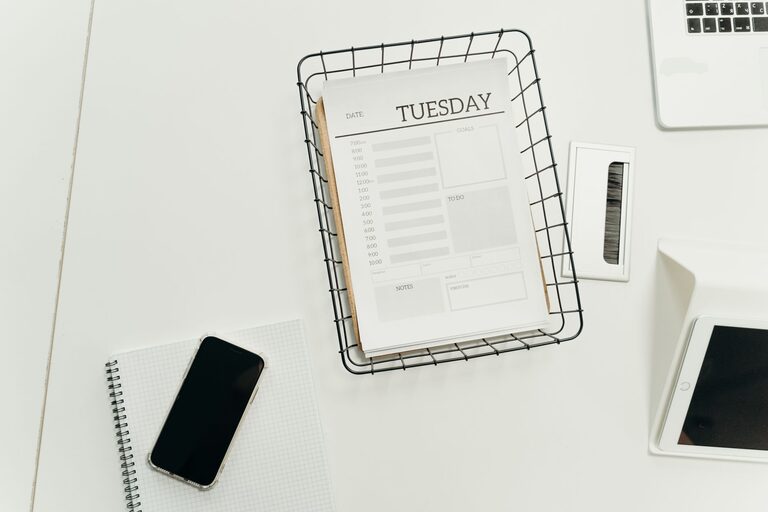
Meal planning helps you decide what to buy before you visit the store. It also makes it easier to use ingredients across several meals.
You do not need to plan every meal for an entire week. Start by planning three or four dinners and leave room for leftovers or flexible meals.
When making a plan:
– Check your refrigerator, freezer, and pantry first.
– Choose meals that use ingredients you already have.
– Plan to use delicate foods early in the week.
– Include one “use it up” meal for extra vegetables, grains, or cooked food.
– Consider your schedule so you do not buy ingredients for meals you will not have time to prepare.
A short plan can prevent impulse purchases and reduce the chance that food will sit unused.
Shop With a List
A shopping list keeps your trip focused and helps avoid buying more than you can use. Before writing your list, take a quick inventory of what you already have.
Group the list by store section, such as produce, dairy, pantry items, and frozen foods. This can make shopping faster and reduce the temptation to add unnecessary items.
It is also helpful to consider how much your household usually eats. Large packages may cost less per unit, but they are not a good value if part of the food is thrown away. Choose package sizes that match your needs, or buy loose fruits and vegetables when possible.
Avoid shopping when you are very hungry, since hunger can lead to unplanned purchases. Keep a running list during the week so you can add items as they run out.
Understand Food Date Labels
Date labels can be confusing. Many labels are intended to communicate freshness or quality rather than indicate that food becomes unsafe immediately after that date.
Read the wording carefully and use your judgment. A product may still be usable if it looks, smells, and tastes normal, depending on the type of food and how it has been stored. When in doubt about a food’s safety, it is best to discard it.
You can also organize foods so that items with earlier dates are placed toward the front. This “first in, first out” method makes older products easier to notice before opening newer ones.
Store Food the Right Way
Proper storage can help food stay fresh longer. Different foods need different conditions, so avoid placing everything in the refrigerator automatically.
Here are some useful storage habits:
– Keep refrigerator temperature settings within the recommended range.
– Store herbs upright in a small amount of water or wrap them loosely in a damp towel.
– Keep potatoes, onions, and garlic in a cool, dry, well-ventilated place.
– Store bananas away from other produce if they are ripening quickly.
– Use airtight containers for dry goods after opening.
– Label leftovers with the date they were prepared.
– Keep foods that need to be eaten soon in a visible location.
Do not overload the refrigerator. Air needs to circulate to keep food at a consistent temperature. Regularly cleaning out spills and old items also helps you see what you have.
Make Leftovers Part of the Plan
Leftovers are easier to use when they are planned rather than treated as an afterthought. When cooking, consider how a meal can become a different dish the next day.
For example:
– Roasted vegetables can be added to eggs, grain bowls, or sandwiches.
– Cooked chicken can be used in soup, salads, or wraps.
– Rice can become fried rice or a filling for vegetables.
– Extra pasta can be combined with vegetables and a simple sauce.
– Beans can be added to tacos, soups, or salads.
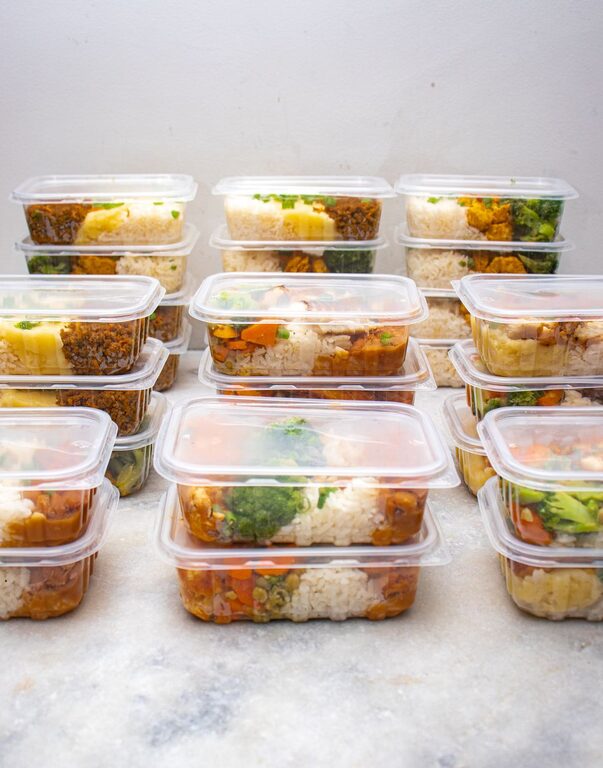
Store leftovers in clear containers so they are easy to identify. If you do not expect to eat them within a few days, freeze them in suitable portions. Label each container with its contents and date to make future meals easier to choose.
Use More of Each Ingredient
Many parts of food that are often discarded can be used in creative ways. Vegetable stems, leaves, and peels may add flavor or texture when prepared properly.
Try these ideas:
– Use broccoli stems in stir-fries or slaws.
– Add beet greens, carrot tops, or radish leaves to soups and sauces.
– Save vegetable scraps for homemade stock.
– Turn stale bread into croutons, breadcrumbs, or toast toppings.
– Use soft fruit in smoothies, sauces, or baked dishes.
– Add citrus zest to dressings, marinades, and baked goods.
Before using food parts, wash them well and check that they are suitable for the recipe. Some parts may be tough or bitter, so cooking methods such as roasting, simmering, or blending can help.
Freeze Food Before It Goes Bad
Freezing is a useful way to preserve food when you will not use it soon. Many foods can be frozen in portions, including bread, cooked grains, fruit, vegetables, sauces, and prepared meals.
For best results, freeze food in airtight containers or freezer-safe bags. Remove as much extra air as possible, and label each item with its name and date. Freeze smaller portions when practical so you can thaw only what you need.
Fresh produce that is beginning to soften can often be chopped and frozen for smoothies, soups, or cooked dishes. Some vegetables benefit from brief cooking before freezing to help maintain their color and texture.
Adjust Portions and Cooking Amounts
Cooking too much food is a common source of waste. Pay attention to how much your household usually eats and adjust recipes when possible.
If a recipe serves more people than you need, divide the ingredients before cooking or plan how you will use the extra portions. When serving a meal, start with smaller portions. People can always take more, while uneaten food on a plate is often difficult to save.
If you are hosting guests, estimate portions based on the number of people and the type of meal. Encourage guests to take only what they expect to eat, and have containers available for safe leftovers.
Create a Food Waste Routine
A regular routine can make waste reduction easier. Once or twice a week, check your kitchen for foods that need attention. Look for produce that is softening, open packages, and leftovers that should be eaten or frozen.
Keep a small list of foods you commonly throw away. If you regularly discard the same item, consider buying less, storing it differently, or finding new ways to prepare it.
You can also keep a container for food scraps that cannot be used. If composting is available in your area, learn which materials are accepted and follow local guidelines. Composting does not replace prevention, but it can be a helpful option for unavoidable scraps.
Make Progress One Habit at a Time
Reducing food waste is an ongoing process. You may not use every ingredient perfectly, and occasional waste is normal. The goal is to make thoughtful choices more often.
Begin with one or two changes, such as planning meals before shopping or freezing food before it spoils. Once those habits become familiar, add another. Over time, these small steps can help you save money, simplify meal preparation, and make better use of the food you bring home.
About the Author