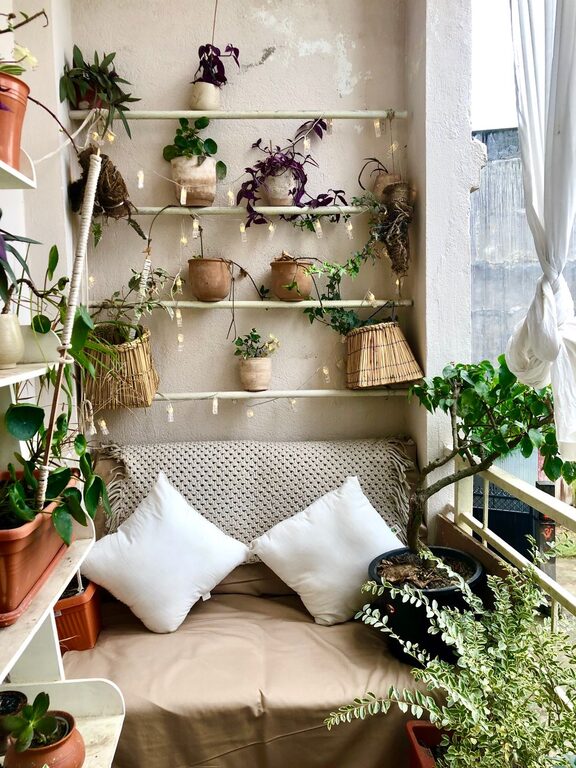
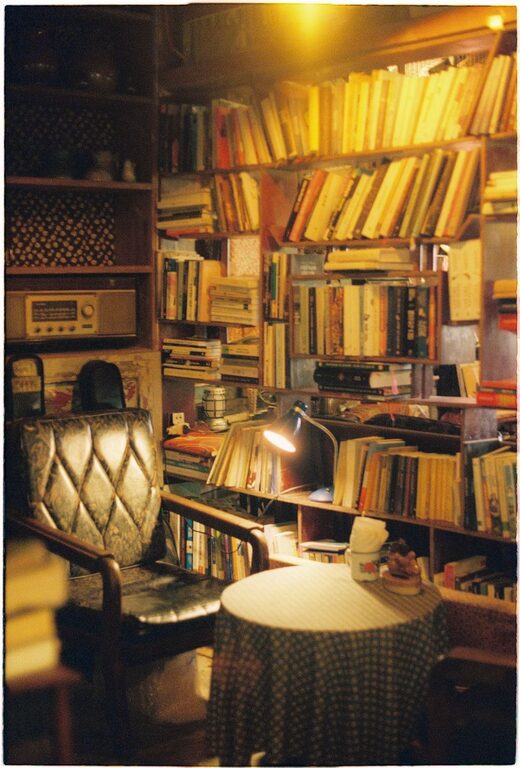
A cozy reading corner can make your home feel warmer, more personal, and easier to enjoy. You do not need a large room or an expensive furniture set. With a comfortable seat, good lighting, a place for your books, and a few thoughtful details, you can create a relaxing spot for reading, journaling, or simply taking a quiet break.
Whether you have an empty corner in the living room, a sunny spot near a window, or a small area beside your bed, these ideas can help you design a reading space that fits your home and your routine.
Choose the Right Location
Start by looking for a space that feels calm and comfortable. A reading corner does not need to be completely separate from the rest of your home, but it should offer enough peace for you to focus.
Good locations may include:
– A corner near a window
– An unused area in a bedroom
– The end of a hallway
– A quiet section of the living room
– A space beneath a staircase
– A wide landing or home office corner
Natural light is helpful during the day, especially if you enjoy reading in the morning or afternoon. However, avoid placing your chair where direct sunlight creates glare on the pages or makes the area uncomfortably warm.
Think about noise, too. A corner near a busy television area may be less relaxing than one farther away from household activity. If your home is active, try adding a small rug, curtain, or folding screen to create a greater sense of separation.
Select Comfortable Seating
The chair is the most important part of a reading corner. Choose a seat that supports your body and allows you to sit comfortably for at least 20 to 30 minutes.
Popular options include:
– An upholstered armchair
– A small lounge chair
– A rocking chair
– A cushioned bench
– A chaise lounge
– A floor cushion with back support
Before buying or arranging a chair, test how easy it is to sit down and stand up. The seat should feel supportive without being too firm. If you prefer to curl up while reading, look for a chair with enough width to change positions comfortably.
Add a soft throw blanket or a lumbar pillow for extra support. If the chair is attractive but not especially comfortable, cushions can make a noticeable difference. Choose washable covers when possible, especially if the reading corner is used often.
Add the Right Lighting
Good lighting reduces eye strain and makes your reading corner more useful after sunset. A floor lamp is a practical choice because it can provide focused light without taking up much table space. An adjustable lamp allows you to direct the light toward your book without shining it directly into your eyes.
Other useful options include:
– A table lamp on a side table
– A wall-mounted reading light
– A clip-on lamp for a shelf
– A portable rechargeable lamp
– A ceiling light paired with a focused lamp
Choose a warm white bulb for a soft, inviting atmosphere. A dimmable lamp gives you more control, allowing you to use brighter light for reading and lower light for relaxing.
If your corner is near a window, combine natural light with an adjustable window covering. Sheer curtains can soften bright sunlight while still keeping the space light and airy.
Create a Small Surface
A side table or small stool gives you a convenient place for a cup of tea, reading glasses, a notebook, or a phone. It does not need to be large. In a small space, even a narrow table can make the reading corner feel more complete.
When selecting a table, consider the height of the chair. The surface should be easy to reach without leaning too far forward. A table with a lower shelf can also provide extra storage for books, blankets, or a small basket.
If you have very little room, try alternatives such as:
– A wall-mounted shelf
– A slim C-shaped table
– A storage ottoman
– A small wooden stool
– A narrow console table
Keep the surface relatively clear. A few useful items look welcoming, while too many objects can make the corner feel crowded.
Organize Your Books
A reading corner should make your books easy to find and reach. Depending on the size of your collection, you can use a small bookcase, floating shelves, a basket, or a simple stack beside the chair.
Arrange books in a way that works for you. You might group them by topic, size, color, or reading priority. If you have a current reading list, place those books at eye level or within easy reach.
Small storage ideas include:
– A three-tier bookcase
– Floating wall shelves
– A wooden crate
– A woven basket
– A storage bench
– A narrow rolling cart
Avoid filling every shelf. Leaving some open space makes the area look calmer and gives you room to add new books later.
Use Soft Textures
Soft textures help transform a basic chair and table into a welcoming retreat. Layering different materials can add warmth without requiring major changes to the room.
Consider adding:
– A small area rug
– A knitted throw
– One or two cushions
– Linen or cotton curtains
– A fabric lampshade
– A woven storage basket
A rug can define the reading corner, especially when it is part of a larger room. Choose a size that fits beneath the chair and table, or place a small rug just in front of the seating area.
For a balanced look, combine textures rather than using too many matching items. For example, pair a smooth cotton cushion with a knitted blanket and a woven basket.
Choose Calming Colors
Color can influence how a space feels. Soft neutrals, gentle greens, muted blues, warm browns, and earthy tones often create a peaceful atmosphere. You do not need to repaint the room to introduce these colors.
Use small accents such as:
– A cushion
– A blanket
– A piece of artwork
– A small rug
– A ceramic mug
– A bookcase or side table
If the rest of your home already has strong colors, choose one or two shades that complement the existing decor. A consistent color palette helps the reading corner feel connected to the room instead of looking like a separate arrangement.
Add Personal Details
The best reading corners reflect the person who uses them. Add a few items that make the space feel enjoyable and familiar.
You might include:
– A favorite piece of artwork
– A small plant
– A scented candle
– A journal and pen
– A decorative bookmark
– A framed photograph
– A small speaker for quiet background music
Keep personal details limited to items you genuinely enjoy. The goal is to create a space that feels relaxed, not overdecorated.
Plants can add color and life, but choose varieties that suit the available light and your care routine. If the corner is dark, a high-quality artificial plant can provide a similar visual effect without regular maintenance.
Make the Space Easy to Use
A reading corner is most successful when it is convenient. Keep the items you use regularly close by, and make sure the chair is easy to access. Avoid placing it behind large furniture or in a spot that requires moving objects each time you want to sit down.
Create a simple reading routine by keeping these essentials nearby:
– Your current book
– Reading glasses
– A bookmark
– A drink coaster
– A small blanket
– A notebook
You can also place a basket beside the chair for books and accessories. This helps prevent clutter while keeping everything within reach.
Keep It Comfortable Year Round
Your reading corner may need small adjustments throughout the year. In colder months, add thicker blankets and warmer textures. During warmer seasons, use lighter fabrics and improve airflow with a fan or an open window, when appropriate.
Check the lighting as daylight changes over the year. A corner that feels bright in summer may need more artificial light during winter. Rearranging the chair by a few inches can also improve comfort and reduce glare.
Final Thoughts
Creating a cozy reading corner does not require a large budget or a dedicated room. Begin with a comfortable seat, add practical lighting, and build the space with soft textures, useful storage, and personal touches. Most importantly, design it around how you like to read and relax.
With a few simple changes, an overlooked part of your home can become a favorite place to slow down, enjoy a good book, and make time for yourself.
About the Author