Self-care does not have to mean expensive products, spa appointments, or a packed schedule. Often, the most useful habits are simple activities that help you slow down, refresh your surroundings, and make time for yourself.
Whether you have a few minutes or a full afternoon, there are many low-cost ways to practice self-care at home. The key is to choose activities that feel realistic, enjoyable, and easy to repeat.
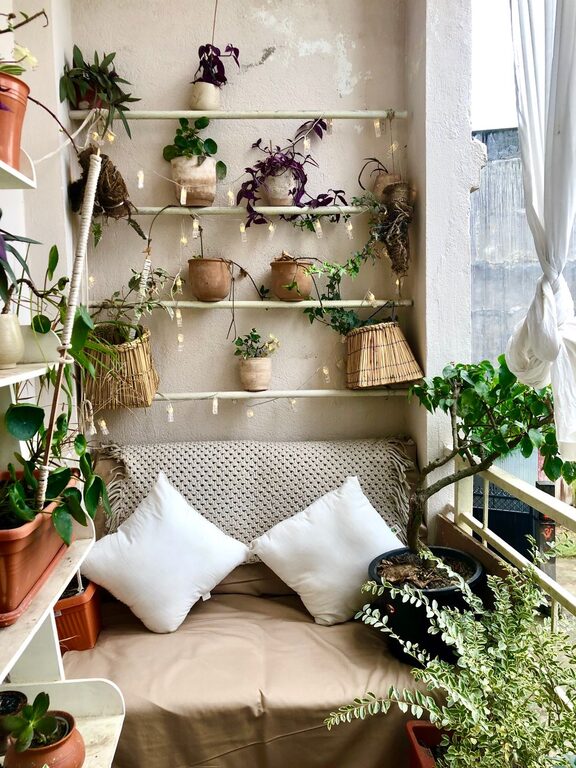
Create a Calm Space
Your surroundings can affect how comfortable and relaxed you feel. You do not need to redecorate an entire room to make your home feel more peaceful. Small changes can make a noticeable difference.
Try these simple ideas:
– Clear one small surface, such as a nightstand or desk.
– Put away items that do not belong in the room.
– Open a window for fresh air when weather allows.
– Rearrange a chair, lamp, or table to create a comfortable corner.
– Use a favorite blanket, cushion, or book to make the space inviting.
– Play quiet music or enjoy a few minutes of silence.
Focus on one area instead of trying to organize everything at once. A tidy corner can become a useful place for reading, stretching, journaling, or enjoying a warm drink.
Enjoy a Screen-Free Break
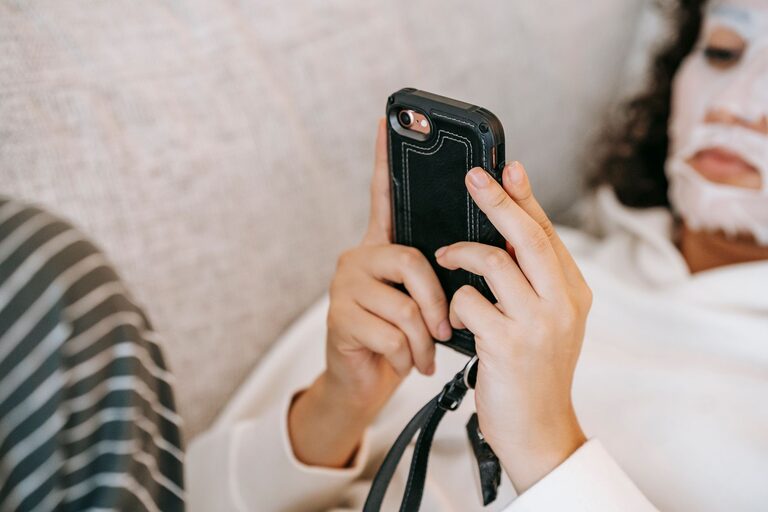
Screens are part of daily life, but taking a short break can help you feel more present. You do not need to avoid technology for an entire day. Even 15 to 30 minutes can give your attention a chance to shift.
During a screen-free break, you could:
– Sit near a window and observe what is happening outside.
– Make tea, coffee, or another favorite drink.
– Listen to music without checking your phone.
– Read a few pages of a book or magazine.
– Complete a puzzle or simple craft.
– Spend time with a pet.
– Write down a few thoughts in a notebook.
Place your phone in another room or turn off nonessential notifications if you find it difficult to step away. A short break is easier to maintain when it has a clear beginning and end.
Try Gentle Movement
Movement can be a pleasant way to reconnect with your body and change your energy level. It does not have to be intense or time-consuming.
Consider creating a simple at-home movement routine:
- Start with a few slow shoulder rolls and neck movements.
- Walk around your home for several minutes.
- Play one or two favorite songs and move along with the music.
- Try gentle stretching while listening to a podcast.
- Practice a few balance or mobility exercises that feel comfortable.
Choose movements that suit your abilities and space. Keep the activity light and comfortable, and stop if something causes pain or discomfort. The goal is to feel refreshed, not to complete a difficult workout.
Make Time for a Simple Personal Care Routine
Personal care can be an easy way to mark the end of a busy day. It does not require a large collection of products. A few familiar routines may be enough.
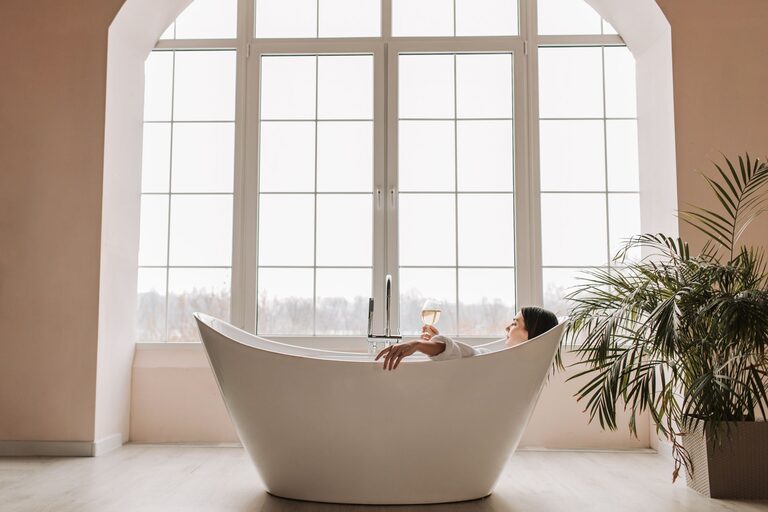
You could take a warm shower, wash your face, moisturize your hands, brush your hair, or change into comfortable clothing. If you enjoy it, add a small detail such as soft music, a clean towel, or a favorite scent.
You can also make everyday tasks feel more intentional. Instead of rushing through your evening routine, slow down and pay attention to each step. This can turn an ordinary activity into a relaxing pause.
Practice Journaling
Journaling is a flexible self-care activity because you can do it in just a few minutes. Any notebook will work, and there is no need to write perfectly.
Try one of these prompts:
– What went well today?
– What is taking up most of my attention?
– What would make tomorrow a little easier?
– What is one thing I am looking forward to?
– What activity helps me feel like myself?
– What can I let go of for the evening?
You can write a full page, make a short list, or simply record a few words. If writing feels difficult, try drawing, making a mind map, or listing songs, foods, places, and people you appreciate.
Prepare an Enjoyable Meal
Cooking can be a practical form of self-care when it is kept simple. Choose a meal that uses ingredients you already have, and avoid making the process more complicated than it needs to be.
You might prepare:
– A warm bowl of soup
– A baked potato with simple toppings
– A vegetable and rice dish
– A sandwich with a side salad
– Oatmeal with fruit and nuts
– A favorite family recipe
Set the table, use a plate you like, or eat without multitasking. Giving your meal your full attention can make it feel more satisfying. If cooking is not appealing, assemble a snack plate or choose an easy meal that requires little preparation.
Reconnect With a Hobby
Hobbies do not have to be expensive or highly productive. Their value often comes from the enjoyment of doing something simply because you like it.
Low-cost hobbies to try at home include:
– Drawing or coloring
– Baking with basic ingredients
– Reading library books
– Learning a few phrases in another language
– Writing short stories or poems
– Caring for houseplants
– Folding origami
– Playing cards or board games
– Taking photos around your home
– Listening to an album from beginning to end
If you have not made time for a hobby recently, start with just 10 minutes. A short session may be enough to help you remember what you enjoy.
Plan a Restful Evening
A relaxing evening does not need to be elaborate. Create a small routine that helps you transition from daily responsibilities to personal time.
For example, you could:
– Tidy the kitchen for five minutes.
– Put away work materials.
– Change into comfortable clothes.
– Prepare a caffeine-free drink.
– Dim the lights.
– Read, listen to music, or talk with someone you care about.
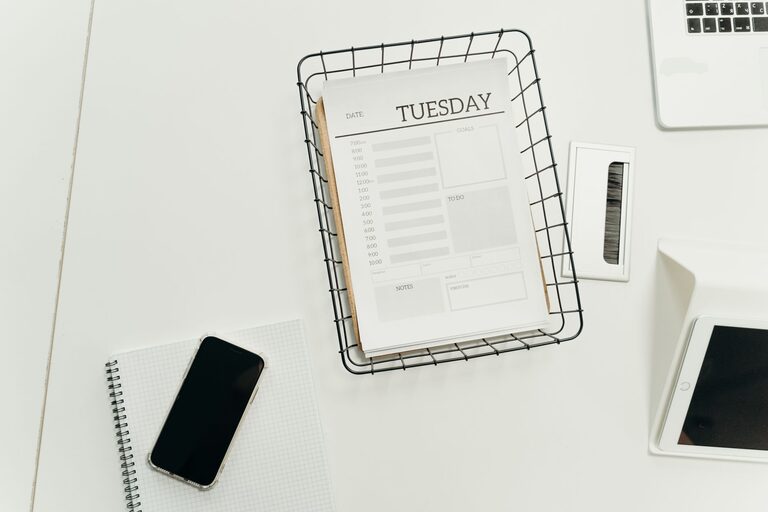
– Write down tomorrow’s top priorities so they are not on your mind.
Keep the routine flexible. Some evenings may call for quiet reading, while others may be better suited to a favorite movie or an early night.
Build a Self-Care Menu
It can be difficult to choose an activity when you are already tired. Make a personal self-care menu in advance, organized by the amount of time and energy you have.
Five-minute ideas
– Take a few slow breaths.
– Drink a glass of water.
– Step outside or look out a window.
– Stretch your hands and shoulders.
– Put one item back where it belongs.
Thirty-minute ideas
– Read a chapter.
– Take a relaxed shower.
– Prepare a simple meal.
– Journal about your day.
– Listen to music while resting.
Weekend ideas
– Cook a new recipe.
– Organize a small area.
– Work on a creative project.
– Have a home movie afternoon.
– Spend time on a hobby without checking the clock.
Make Self-Care Easy to Repeat
The best self-care routine is one you can realistically maintain. Start small and avoid treating rest as something you must earn. A few minutes of attention each day can be more useful than an elaborate plan you rarely follow.
Choose activities that fit your budget, schedule, and preferences. Self-care can be quiet or social, active or restful, planned or spontaneous. What matters is creating regular moments to recharge and care for your everyday well-being.
About the Author